


Australia’s energy landscape is shifting rapidly as governments, businesses, and homeowners move toward electrification. With new policies, building regulations, and rising energy costs, the gas phase out in Australia is becoming a major national conversation in 2026.
For many households, this shift raises practical questions: Why is electrification accelerating? What does it mean for existing gas appliances? And is a gas to electric upgrade worth considering now?
Understanding the drivers behind Australia’s electrification push can help property owners make informed decisions about future energy upgrades.
Why the Gas Phase Out in Australia Is Gaining Momentum
The movement away from gas is not based on a single policy. Instead, it’s driven by a combination of environmental targets, economic pressures, and evolving building standards across multiple states.
1. Net Zero Targets and Emissions Reduction
Australia’s commitment to lowering emissions has encouraged governments to prioritise electrification. Residential gas use contributes significantly to household emissions, particularly through gas heating and hot water systems.
Electrification supports the transition to renewable energy by allowing homes to run on electricity generated from solar and wind rather than fossil fuels. As renewable energy capacity expands nationwide, the push toward electrification in Australia is expected to intensify.
2. State-Based Building Regulations
Several Australian states and territories have introduced policies restricting gas connections in new homes or encouraging all-electric construction. These regulatory changes are gradually reducing reliance on gas infrastructure and influencing long-term property planning decisions.
For homeowners renovating or building new properties, all-electric designs are becoming increasingly common as they align with future compliance expectations.
3. Rising Energy Costs and Infrastructure Challenges
Gas prices have increased in recent years due to supply constraints and global market pressures. At the same time, maintaining ageing gas networks has become more expensive.
Electrification offers a pathway to reduce exposure to volatile gas pricing while enabling households to benefit from rooftop solar and battery storage. These economic factors are accelerating interest in gas to electric upgrades across Australia.
What Electrification Australia Means for Homeowners
The electrification movement is not only about policy—it directly affects everyday household decisions. Many Australian homes still rely on gas for cooking, heating, and hot water, but alternatives are becoming more accessible.
Heat Pump Hot Water Systems
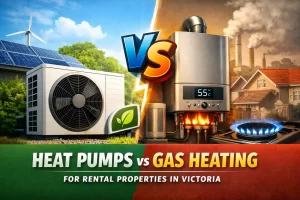
Heat pump systems are gaining popularity as replacements for gas hot water units. They use electricity efficiently by extracting heat from the air, often reducing energy consumption compared to traditional gas systems.
Reverse Cycle Air Conditioning
Electric heating and cooling solutions provide an efficient alternative to gas ducted heating. Modern reverse cycle systems can deliver year-round climate control with lower emissions when powered by renewable electricity.
Induction Cooking
Induction cooktops are emerging as a popular replacement for gas stoves due to improved safety, faster cooking performance, and energy efficiency.
A gradual gas to electric upgrade approach—replacing appliances as they reach end of life can help homeowners transition without major upfront disruptions.
Financial Incentives Supporting Gas to Electric Upgrades
Although the gas phase out in Australia is influenced by policy and market trends, financial incentives also play a role in encouraging electrification.
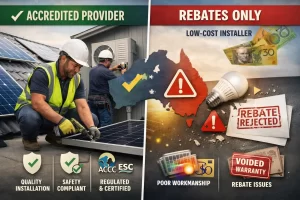
Programs such as the Victorian Energy Upgrades (VEU) scheme and federal incentives like Small-scale Technology Certificates (STCs) help reduce the cost of certain energy-efficient appliances. Rebates may be available for heat pump hot water systems, efficient heating and cooling equipment, and solar installations that support electrified homes.
Availability and eligibility vary by state, so homeowners should review current programs before planning upgrades.
Environmental and Health Considerations
Beyond financial and regulatory factors, electrification also addresses environmental and health concerns. Gas appliances produce indoor air pollutants such as nitrogen dioxide, which can affect respiratory health in poorly ventilated spaces.
All-electric homes powered by renewable electricity can reduce household emissions and improve indoor air quality. As awareness grows, many families are considering electrification as part of a broader sustainability strategy.
Is a Gas to Electric Upgrade Right Now Necessary?
Despite increasing attention around electrification Australia, there is generally no requirement for homeowners to immediately remove existing gas appliances. The transition is expected to occur gradually as equipment reaches the end of its lifespan or as households renovate.
However, property owners planning major upgrades may benefit from considering all-electric alternatives to avoid future retrofit costs. Evaluating energy usage, available incentives, and long-term operating costs can help determine the best timing for a transition.
The Future of Electrification in Australia
Looking ahead, the shift away from gas is likely to continue as renewable energy expands and building standards evolve. Electrification supports Australia’s broader climate goals while offering households the opportunity to reduce emissions and manage energy expenses more effectively.
As awareness grows around the gas phase out in Australia, more homeowners are exploring electric appliances, solar integration, and energy-efficient upgrades. The transition may look different for each household, but the overall direction toward electrification appears increasingly clear.
Final Thoughts
Australia’s move toward electrification in 2026 reflects a combination of environmental goals, economic realities, and changing regulations. While rebates and incentives can help reduce upfront costs, the broader shift toward electric homes is driven by long-term energy strategy.
For homeowners, a thoughtful gas to electric upgrade whether gradual or comprehensive—can support energy savings, improved efficiency, and future-ready living. By understanding policy trends and available technologies, households can make informed decisions that align with Australia’s evolving energy landscape
FAQ Gas Phase Out Australia 2026
1. Is gas being phased out in Australia in 2026?
There is no nationwide ban on existing gas appliances in 2026. However, several states are limiting new gas connections, accelerating the gas phase out in Australia through building regulations and electrification policies.
2. Do I need to remove my gas appliances?
No. Homeowners can keep existing systems. Most switch during renovations or when appliances reach end of life as part of a gradual gas to electric upgrade.
3. Why is electrification increasing in Australia?
Electrification in Australia is driven by emissions targets, rising gas prices, and the expansion of renewable energy like solar and wind.
4. Is switching from gas to electric cheaper?
Electric systems such as heat pumps and reverse cycle air conditioning are typically more energy-efficient. Combined with solar, they can lower long-term energy costs.
5. Are there rebates for switching to electric?
Yes. State and federal programs offer rebates for heat pump hot water systems, efficient heating and cooling, and solar installations. Eligibility varies by location.




No comment yet, add your voice below!