


Energy efficiency has shifted from being a sustainability trend to a core part of property management. State governments are tightening minimum standards to ensure rentals are safe, comfortable, and affordable to run. Victoria and the ACT already have energy-related rental requirements, and other states are moving in the same direction.
Here’s why upgrades make sense now:
- Regulatory compliance: Minimum rental standards energy rules increasingly include heating, insulation, and draught sealing.
- Lower vacancy rates: Energy-efficient homes attract tenants who want lower power bills.
- Higher property value: Upgraded homes often command better rent and resale value.
- Reduced maintenance: Modern appliances and systems are usually more reliable and efficient.
In a competitive rental market, efficiency upgrades help properties stand out while reducing long-term operating costs.
Understanding Minimum Rental Standards Energy Requirements
While regulations vary across Australia, common requirements landlords should monitor in 2026 include:
- Fixed energy-efficient heating systems in living areas
- Minimum insulation levels in ceilings and sometimes walls
- Adequate ventilation in kitchens and bathrooms
- Draught sealing for doors and windows
- Minimum energy ratings for new appliances or replacements
For example, Victoria requires fixed heating in living rooms, and the ACT has energy efficiency disclosure requirements for rentals. Other states are gradually adopting similar measures.
Landlords should regularly check state-specific updates because standards are expanding, especially as Australia works toward net-zero targets.
High-Impact Landlord Energy Upgrades
Not all upgrades require major renovations. Many improvements offer strong returns with modest upfront costs.
1. LED Lighting Replacement
Switching from halogen or incandescent bulbs to LEDs is one of the easiest upgrades. LEDs:
- Use up to 80% less energy
- Last longer, reducing maintenance calls
- Improve lighting quality and tenant satisfaction
This upgrade is inexpensive and often pays for itself within months through lower electricity consumption.
2. Efficient Heating and Cooling Systems
Heating and cooling are major contributors to energy bills in Australian homes. Consider:
- Reverse-cycle air conditioners with high energy ratings
- Energy-efficient heat pumps
- Zoned climate control for larger properties
Efficient systems not only help meet minimum rental standards energy requirements but also make properties more appealing during inspections.
3. Insulation Improvements
Ceiling insulation is one of the most effective ways to improve rental energy efficiency Australia-wide. Good insulation:
- Keeps homes warmer in winter and cooler in summer
- Reduces tenant energy costs
- Supports compliance with evolving standards
Older homes especially benefit from insulation upgrades.
4. Draught Sealing and Weatherproofing
Small fixes can produce noticeable results. Adding:
- Door seals
- Window weather strips
- Chimney dampers
- Gap fillers around skirting boards
can significantly reduce energy loss without major renovation work.
5. Energy-Efficient Appliances
When replacing old appliances, choose high energy-star ratings for:
- Refrigerators
- Washing machines
- Dishwashers
- Hot water systems
Heat pump hot water systems are particularly popular in Australia due to their efficiency and government incentives.
Solar Power and Renewable Options
Solar panels are becoming more common in rental properties, especially in detached houses. Benefits include:
- Reduced electricity costs for tenants
- Potential to charge slightly higher rent
- Increased property value
- Government rebates in many regions
Some landlords install solar with shared electricity agreements or include electricity within rent. However, local rules and metering regulations should be reviewed before installation.
Battery storage is still relatively expensive but is gradually becoming more viable as technology improves.
Financial Incentives and Rebates for Landlords
Australia offers a variety of incentives that help offset upgrade costs. Depending on the state, landlords may access:
- Energy efficiency grants
- Solar rebates
- Heat pump hot water incentives
- Low-interest sustainability loans
- Tax deductions for capital improvements
Federal programs and state-based initiatives change frequently, so checking current rebate schemes before planning upgrades can reduce upfront investment significantly.
Tenant Benefits and Market Demand
Tenants increasingly search for energy-efficient rentals due to rising power costs. Listings that mention energy-saving features often receive more enquiries. Key benefits tenants look for include:
- Lower energy bills
- Consistent indoor temperatures
- Modern appliances
- Comfortable year-round living conditions
Landlords who promote rental energy efficiency Australia features in their listings can attract longer-term tenants who value sustainability and comfort.
Planning an Energy Upgrade Strategy
Instead of tackling everything at once, landlords can adopt a phased approach:
- Conduct an energy audit: Identify major inefficiencies.
- Prioritise low-cost improvements: Start with lighting and draught sealing.
- Plan major upgrades during vacancies: Install insulation or replace heating systems between tenancies.
- Use replacement cycles wisely: Upgrade appliances when old ones fail rather than repairing inefficient units.
- Track savings and tenant feedback: Monitor improvements in energy bills and satisfaction.
A structured approach helps spread costs over time while steadily improving compliance and performance.
Common Mistakes to Avoid
- Ignoring state regulations: Standards differ and are changing rapidly.
- Choosing the cheapest appliances: Low upfront cost may lead to higher long-term expenses.
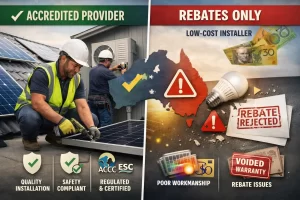
- Skipping professional installation: Poorly installed upgrades can reduce effectiveness.
- Failing to communicate upgrades: Tenants should understand how to use new systems efficiently.
Good planning ensures upgrades deliver maximum benefit without unnecessary expenses.
The Future of Rental Energy Efficiency in Australia
Energy standards for rentals are expected to become stricter over the next decade. Features like higher insulation levels, improved energy ratings, and renewable energy integration are likely to become common requirements.
Landlords who act early position themselves ahead of regulation changes and avoid rushed, expensive compliance upgrades later. More importantly, efficient properties contribute to reduced emissions and more affordable housing — an increasingly important social and economic goal.
Final Thoughts
In 2026, energy efficiency is a strategic investment for landlords rather than just a compliance task. By focusing on practical landlord energy upgrades such as insulation, efficient heating, LED lighting, and renewable energy property owners can improve comfort, attract quality tenants, and stay aligned with evolving minimum rental standards energy rules.
With strong incentives available and tenant demand rising, improving rental energy efficiency Australia wide is one of the smartest moves landlords can make to future-proof their investments while contributing to a more sustainable rental market.

No comment yet, add your voice below!