


Across Australia, government programs such as the Victorian Energy Upgrades (VEU) scheme and federal incentives like Small-scale Technology Certificates (STCs) have made energy-efficient upgrades more accessible for homes and businesses. While rebates and incentives reduce upfront costs, they don’t automatically guarantee quality results.
What often determines the success of an energy efficiency upgrade in Australia is whether the installation is completed by an accredited energy provider operating under recognised regulatory standards. Understanding the difference between rebates and accreditation can help property owners make more informed decisions and avoid long-term issues.
What Is an Accredited Energy Provider in Australia?
An accredited energy provider is a business or installer authorised under a government or industry energy-efficiency program to supply and install approved energy-saving products. Accreditation requirements vary by scheme but commonly include:
- Verified training and technical competency
- Compliance with Australian safety and installation standards
- Adherence to consumer protection guidelines under the ACCC
- Participation in audits or monitoring by regulatory bodies such as the Essential Services Commission (ESC)
For example, within the Victorian Energy Upgrades (VEU) program, only accredited providers can create certificates for eligible installations. Similarly, solar installations linked to STCs must meet Clean Energy Regulator requirements.
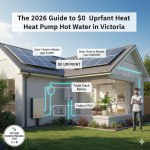
Accreditation helps ensure that upgrades—from heat pump hot water systems to LED lighting and solar—are installed correctly and meet scheme compliance rules.
Rebates vs Accreditation in Australian Energy Schemes
Australian energy rebate programs aim to encourage adoption of efficient technology. However, comparing rebates vs accreditation highlights why qualifications and compliance often matter more than upfront discounts.
1. Installation Quality Drives Real Energy Savings
Energy-efficient systems must be installed properly to deliver expected performance. Accredited providers are trained in scheme requirements and Australian Standards. Poor installation can reduce energy efficiency, increase maintenance costs, or create safety risks—issues that financial incentives alone cannot fix.
2. Compliance With VEU, STC, and Other Programs
Programs such as VEU, STCs, and state-based energy savings schemes have strict documentation and installation rules. Accredited providers understand these requirements and help ensure that rebate claims are valid and compliant. Incorrect installations may result in rejected certificates or repayment demands later.
3. Consumer Protection Under Australian Regulations
Accredited energy providers must operate within defined consumer protection frameworks and industry codes of conduct. Oversight from bodies like the ESC and guidance from the ACCC provide customers with clearer pathways for dispute resolution if problems arise.
4. Long-Term Value Beyond Government Incentives
While rebates reduce upfront costs, ongoing energy bill savings come from proper system design and installation. A well-executed energy upgrade can lower operational expenses for years, making accreditation a critical factor in long-term performance.
How Accreditation Supports Australia’s Energy Transition
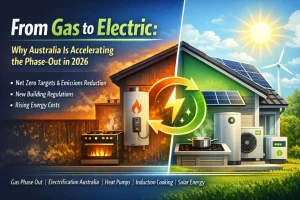
Australia’s push toward electrification and renewable energy has increased demand for upgrades such as:
- Heat pump hot water systems
- Energy-efficient air conditioning
- Solar PV systems eligible for STCs
- LED lighting retrofits under VEU
- Commercial building energy upgrades
With more providers entering the market, accreditation serves as a quality benchmark. It helps ensure installations meet scheme requirements and align with national energy-efficiency targets.
For property owners, understanding accreditation helps reduce uncertainty. For businesses in the energy sector, educational discussions around accreditation shift the focus toward verified outcomes rather than short-term pricing.
How to Verify an Accredited Energy Provider in Australia
Before proceeding with an energy upgrade, consider verifying the provider’s accreditation status through official channels:
- Check the Essential Services Commission (ESC) register for VEU-accredited providers
- Confirm Clean Energy Council or Clean Energy Regulator requirements for solar installations linked to STCs
- Request accreditation numbers or documentation directly from the installer
- Review product eligibility lists and installation standards under the relevant scheme
Taking these steps can help ensure rebate claims are processed correctly and installations remain compliant with Australian regulations.
Risks of Choosing Non-Accredited Installers
Some installers may offer lower prices by operating outside accreditation frameworks. However, potential risks include:
- Non-compliant installations that fail VEU or STC requirements
- Reduced system efficiency and higher electricity bills
- Rejected or invalid rebate claims
- Voided product warranties
- Safety issues or costly remediation work
These risks can undermine the benefits of government incentives and reduce the overall return on investment from energy upgrades.
Accreditation as a Key Differentiator in the Australian Market
As energy efficiency programs expand across states, accreditation has become an important marker of professionalism. Consumers increasingly look for qualified providers who understand evolving regulations and Australian Standards.
Educational content highlighting accreditation helps shift the conversation away from rebates alone and toward quality, compliance, and measurable performance outcomes. This approach supports a more sustainable and trustworthy energy upgrade industry across Australia.
Final Thoughts Focus on Long-Term Performance
Government incentives like VEU rebates and STCs can help make energy upgrades more affordable, but accreditation plays a critical role in determining whether those upgrades succeed. Working with accredited energy providers helps ensure installations meet Australian regulatory standards, maintain eligibility for incentives, and deliver genuine energy savings over time.
Before committing to any upgrade, consider both financial incentives and provider qualifications. A properly installed energy system can reduce operating costs, improve efficiency, and support Australia’s transition to a lower-emissions future benefits that extend far beyond the initial rebate.


No comment yet, add your voice below!